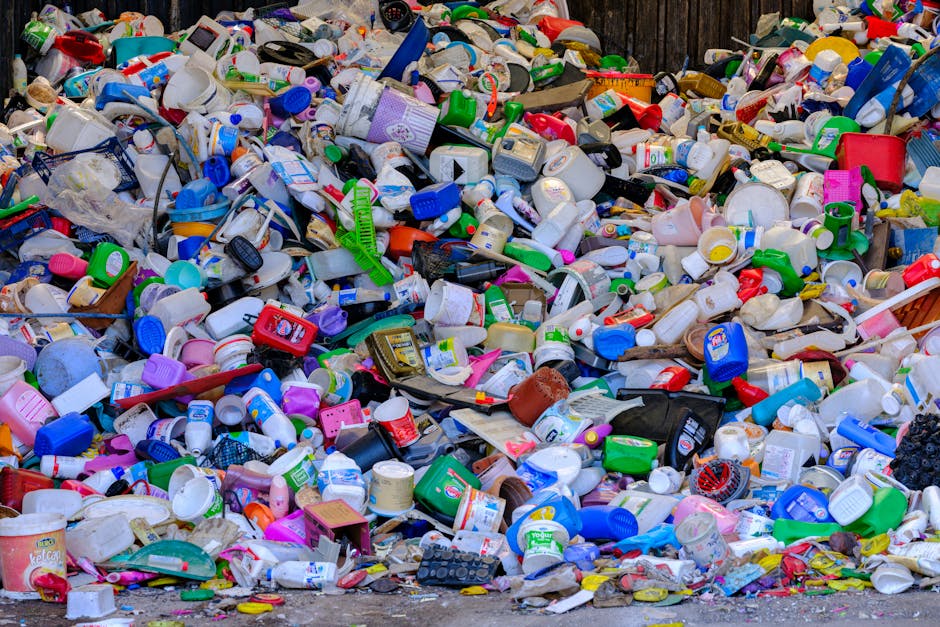
What to know about rubbish recycling North West London
If you are trying to clear out a flat, tidy a garden, replace old furniture, or deal with renovation waste, rubbish recycling in North West London can feel oddly confusing at first. What goes in the recycling? What needs separate handling? And how do you avoid doing the wrong thing, especially when space is tight and the skip is not really an option? Truth be told, most people just want a simple, reliable way to deal with waste without creating extra stress.
This guide breaks down what to know about rubbish recycling North West London in plain English. You will learn how the process works, what items commonly need special treatment, where recycling fits alongside rubbish removal and waste disposal, and how to make better decisions at home or at work. We will also cover common mistakes, practical checks, and the best way to think about recycling when you are dealing with real-life mess, not a perfect textbook scenario.
Quick takeaway: the best rubbish recycling approach is usually the one that separates reusable, recyclable, and non-recyclable waste early, keeps risky items apart, and uses the right collection or clearance option for the job.
Table of Contents
- Why rubbish recycling in North West London matters
- How rubbish recycling works
- Key benefits and practical advantages
- Who this is for and when it makes sense
- Step-by-step guidance
- Expert tips for better results
- Common mistakes to avoid
- Tools, resources and recommendations
- Law, compliance, standards and best practice
- Options, methods and comparison table
- Case study or real-world example
- Practical checklist
- Conclusion
- Frequently asked questions
Why rubbish recycling in North West London matters
North West London has the kind of housing mix that makes waste management a bit of a puzzle: flats with limited storage, family homes with busy routines, older terraces with awkward access, and commercial spaces that accumulate packaging, furniture, and mixed waste faster than you would expect. That means rubbish recycling is not just about doing the "right" thing. It is about making waste easier to manage in a practical, orderly way.
When recycling is handled properly, you reduce the amount of material sent for disposal, avoid contamination in mixed bins, and make collection more efficient. That matters if you are dealing with large clear-outs, garden waste, office move-outs, or building debris. It also matters if you want to avoid the classic last-minute panic: a pile of cardboard by the door, a broken chair in the hallway, and nowhere sensible to put either. We have all seen that scene, and it never gets better by leaving it until Sunday evening.
There is also a simple comfort factor. A good recycling routine makes a property feel calmer and more manageable. In practical terms, it helps you see what you have, decide what can be kept, and move through a clear-out without the whole place becoming chaotic. That alone is worth a lot.
How rubbish recycling works
At its core, rubbish recycling is the process of separating waste so that recyclable materials can be collected, sorted, and processed into new products or raw materials. In day-to-day life, though, it usually looks more like a series of small decisions: paper in one pile, metals in another, furniture assessed for reuse, and anything contaminated or hazardous set aside.
In North West London, the practical workflow often looks something like this:
- Sort the waste at source. Separate recyclables from general rubbish before it all gets mixed together.
- Identify special items. Some waste needs separate handling, such as electrical items, bulky furniture, builders' debris, or garden waste.
- Choose the right collection route. Depending on volume and type, you may need standard collection, dedicated recycling, or a full waste clearance service.
- Keep recyclable material clean where possible. Contamination is one of the main reasons recyclable items get downgraded or rejected.
- Send reusable items for reuse if suitable. A solid table, a usable sofa, or an intact wardrobe may be better treated as a reuse item than as recycling feedstock.
That last point is often overlooked. Not everything useful needs to be broken down into material streams. Sometimes the smartest option is simply to keep an item in circulation for longer. A chipped cupboard is one thing; a perfectly serviceable sideboard with a bit of dust on it is another. Common sense helps here.
Recycling also becomes easier when you match the waste type to the service. For example, a household moving out of a third-floor flat may benefit from flat clearance, while a homeowner replacing a living room set may need furniture disposal or even sofa removal if the item is bulky and awkward to shift down stairs.
Key benefits and practical advantages
People often think recycling is mainly about environmental responsibility, and yes, that matters. But in real life, the benefits are a lot more practical than that.
- Less clutter: separating waste early makes clear-outs feel less overwhelming.
- Better use of space: especially useful in flats, garages, and small storage areas.
- Lower contamination risk: cleanly sorted waste is easier to process.
- Better reuse potential: items in decent condition can be diverted away from disposal.
- Smoother collections: waste that is already organised is quicker to remove.
- More predictable decision-making: you spend less time wondering what goes where.
There is also a cost and efficiency angle. If you are paying for a clearance service, clear sorting can make the job more straightforward. That can matter for home clearance, house clearance, or office clearance where the waste mix is more varied than it first appears. One box might contain papers, another a lamp, and another some random cables that seem to have reproduced quietly in a drawer.
Expert summary: the most effective rubbish recycling system is not the one that sounds cleverest. It is the one you can keep doing without friction.
That is the real test. If the process is too complicated, people stop using it. If it is simple and consistent, it becomes part of the routine.
Who this is for and when it makes sense
Rubbish recycling in North West London is relevant to a lot of people, but it tends to make the biggest difference in a few common situations.
Homeowners and renters
If you are clearing a spare room, replacing furniture, or dealing with a post-renovation mess, recycling helps you separate what can be reused or recovered from what simply needs removal. Tenants moving between properties often benefit from flat clearance because access is tight and there is usually not much time.
Families doing a bigger reset
When life gets busy, clutter builds up in a very ordinary way. Old toys, broken garden chairs, boxes of packaging, and bags of "I will deal with that later" all tend to land in the same corner. Recycling makes the clear-out more manageable and less wasteful.
Landlords and property managers
End-of-tenancy clear-outs often involve mixed waste: household items, soft furnishings, broken appliances, and general rubbish. A proper recycling approach helps keep the process tidy and reduces the chance of leaving recyclable material mixed in with disposal waste.
Businesses and office teams
Businesses usually create a steady stream of cardboard, packaging, office furniture, and old stock. The right approach can make business waste more organised and support a cleaner working environment. Offices in particular tend to accumulate more than people realise: printer boxes, filing shelves, redundant monitors, and the odd chair with one stubborn wheel.
Trades, refurb teams, and DIY renovators
Building work creates a very different waste profile. Plasterboard, timber offcuts, broken tiles, and mixed builders' waste should be kept separate from household recycling where possible. For that reason, builders' waste needs a more deliberate plan than a standard household clear-out.
So when does it make sense to stop thinking of waste as one big pile and start thinking of it as separate streams? Usually as soon as you notice the waste is no longer "just a bag or two." That is the turning point.
Step-by-step guidance
If you want to handle rubbish recycling properly, keep the process simple. A step-by-step approach works better than trying to do everything at once.
- Walk the space first. Look at the rubbish as a whole and identify the main categories: recyclables, reusable items, general waste, and anything potentially hazardous.
- Set aside bulky items early. Sofas, wardrobes, mattresses, and large shelving units should not get buried under bags and boxes.
- Separate clean recyclables. Cardboard, paper, clean plastic packaging, cans, and metals are easier to manage when they are not mixed with food waste or liquid residue.
- Check for special handling needs. Electricals, sharp objects, and construction materials may need different treatment.
- Bundle similar waste together. A stack of cardboard is easier to move than loose sheets scattered everywhere.
- Choose the right service route. If you need collection rather than self-haul, look at rubbish collection or waste collection depending on the type and volume.
- Keep access clear. This sounds obvious, but hallways, stairs, and doorways tend to become bottlenecks very quickly.
- Do a final sweep. Check for loose screws, bits of broken glass, taped-up bags, and stray recyclables hiding in corners.
A good rule of thumb: if you can separate waste before it leaves the property, you usually make the whole job easier. You do not need to overthink it. Just stay consistent.
Expert tips for better results
Here are a few practical things that make a noticeable difference, especially if you are sorting a mixed household or commercial load.
- Flatten cardboard before stacking it. It saves space and makes transport easier.
- Keep food residue away from recyclables. Greasy boxes and unclean containers can create problems.
- Use separate bags or containers for different waste types. It sounds basic, but it is one of the easiest ways to avoid contamination.
- Deal with bulky items first. They are the biggest obstruction and the biggest morale drain, honestly.
- Do not assume something is recyclable just because it looks "plastic." Mixed-material items often need different handling.
- Take photos before booking clearance if the load is complicated. This helps with planning and avoids awkward surprises on the day.
- Keep one "unknowns" box. If you find items you are unsure about, put them aside and review them separately rather than tossing them into general waste.
One more thing: if you are clearing a garden, do not mix soil, branches, pots, and general household rubbish together unless you have to. Garden material is often much easier to handle on its own. Services like garden clearance and garage clearance are often most efficient when the waste is loosely grouped by type.
That little bit of sorting upfront? It saves time later. Usually a lot of time.
Common mistakes to avoid
People make the same recycling mistakes again and again, especially during busy clear-outs. None of them are dramatic, but they do create extra work.
- Mixing recyclables with general waste. Once everything is blended, recovery becomes harder.
- Leaving items loose and unbundled. Small bits get lost and bulky loads become awkward.
- Ignoring hidden waste. Drawers, cupboards, sheds, and garages often contain more rubbish than the visible floor space suggests.
- Forgetting about access. A narrow stairwell or parked car can slow the whole process down.
- Assuming all bulky waste is the same. A sofa, a fridge, and a pile of timber are very different loads.
- Throwing away reusable items too quickly. Sometimes a quick wipe-down or minor repair is enough to keep something in use.
- Skipping the final check. Small sharp items, loose batteries, and tangled cables are easy to miss.
There is a sneaky one too: people often save up waste for weeks, then try to handle it in one rush. Fair enough, life gets busy. But the result is usually a bigger, more tiring job than it needed to be. Small and steady almost always wins.
Tools, resources and recommendations
You do not need a complicated toolkit to recycle rubbish well. In most cases, the useful tools are fairly ordinary.
- Strong bags and boxes: useful for separating and containing waste cleanly.
- Labels or tape: good for marking recyclables, reuse items, and general rubbish.
- Protective gloves: sensible for broken items, garden waste, or old storage clear-outs.
- Trolley or sack barrow: helpful for heavier items and awkward flats.
- Storage crates: useful when sorting an office, garage, or utility space.
On the service side, it helps to choose the right route for the waste you actually have. For example, if the job is mostly old furniture, furniture disposal may be the clearest fit. If the property is being emptied top to bottom, waste removal or rubbish clearance may be a better all-round option.
You can also reduce stress by planning the clear-out around the space itself. A garage with years of stored stuff needs a different rhythm from a small office kitchen. The clutter tells you what to do, if you pay attention to it.
Law, compliance, standards and best practice
When dealing with rubbish recycling in North West London, the main thing is to follow accepted UK waste-handling practice and use responsible disposal methods. If you are a homeowner, that usually means sorting waste sensibly and avoiding contamination. If you are a business, the bar is higher because you may have a duty to manage commercial waste more carefully and keep records where required.
Because waste rules can vary by material and context, it is wise to treat regulated items cautiously. Electricals, batteries, sharp objects, chemicals, and renovation waste should not be lumped in with ordinary household rubbish. If you are unsure, keep the item separate until you can confirm the right handling method. That is generally safer than guessing.
Best practice also means using a service that treats waste responsibly, separates recoverable material where possible, and avoids unnecessary disposal. In the real world, this often comes down to simple questions:
- Can this item be reused?
- Can this waste be separated more cleanly?
- Is there a safer or more efficient collection route?
- Will mixing this load make recycling harder later?
For businesses, this is especially relevant when clearing offices or ongoing commercial spaces. A well-managed approach to business waste and office clearance reduces clutter and helps keep the site tidy without overcomplicating the process.
One practical note: if a load includes items you suspect could be hazardous or restricted, do not force it into a general rubbish category just to get it out of the way. That shortcut usually creates more trouble than it solves.
Options, methods and comparison table
Not every waste job needs the same approach. Sometimes the best choice is a simple collection; sometimes you need a more complete clearance. The table below gives a useful comparison.
| Method | Best for | Strengths | Limitations |
|---|---|---|---|
| Basic rubbish collection | Smaller, straightforward loads | Quick, simple, low disruption | Less suitable for mixed bulky waste |
| Rubbish removal | General household or mixed waste | Flexible and practical for many jobs | May still need sorting before collection |
| Waste clearance | Whole-room, whole-property, or mixed loads | Good for larger clear-outs and planning | Can be more than you need for a small job |
| Specialist disposal routes | Furniture, garden, builders, or office waste | Better match for the type of rubbish involved | Requires a bit more thought up front |
If you are clearing one small room, a light collection may be enough. If you are dealing with stacked belongings, old furniture, and bags of mixed rubbish, a broader rubbish removal or waste removal service is usually the more sensible option. Simple, really.
Case study or real-world example
Imagine a typical North West London flat after a long tenancy. The tenant has already moved out, but the flat still contains a broken dining chair, a couple of flattened boxes, an old mattress protector, a bag of mixed cables, and two bags of general waste. There is also a storage cupboard full of "maybe useful" items that are mostly not useful at all.
The first mistake would be treating it all as one pile. That turns a manageable clear-out into a slow trudge of moving the same material around twice. A better approach is to split the load into three categories:
- Reusable or donate-worthy items: anything intact and genuinely serviceable.
- Recyclable material: cardboard, clean packaging, metal items, and similar recoverable waste.
- General rubbish: broken, contaminated, or non-recyclable items.
Then the bulky item is handled separately, because trying to weave a mattress or a chair around bags in a narrow hallway is how people end up muttering under their breath by the front door. Not ideal.
In a case like this, a targeted approach using flat clearance and the right recycling separation saves time, reduces stress, and makes the final space look far more presentable. The difference is usually visible immediately: the room feels lighter, the path is clear, and the place stops looking like a temporary storage unit.
Practical checklist
Use this simple checklist before any rubbish recycling or clearance job in North West London.
- Have I separated recyclables from general waste?
- Have I identified any bulky items that need special handling?
- Have I kept food waste, liquids, and contamination away from recyclables?
- Have I checked cupboards, drawers, lofts, sheds, and corners for hidden waste?
- Have I decided whether I need collection, clearance, or a specialist service?
- Have I grouped similar materials together to make loading easier?
- Have I set aside anything reusable instead of throwing it away too quickly?
- Have I thought about access, parking, stairs, and lifting routes?
- Have I separated electricals, batteries, and other sensitive items from ordinary rubbish?
- Have I done a final sweep before the waste leaves the property?
Small reminder: if the job feels bigger once you start, that is normal. It often is bigger. A realistic plan beats wishful thinking every time.
Conclusion
What to know about rubbish recycling North West London comes down to a simple principle: sort early, separate properly, and choose the right route for the waste you actually have. That approach helps you keep homes tidier, businesses more organised, and clear-outs far less stressful than they would be otherwise.
Whether you are dealing with a flat move, a house clear-out, office clutter, garden waste, or renovation debris, the best results usually come from being just a little more deliberate at the start. Not perfect. Just deliberate. That alone can save time, reduce contamination, and make the whole process feel far more manageable.
If you are facing a mixed or bulky load, it is usually worth getting help from a service that can handle the waste properly and keep the process straightforward.
Get a free quote today and see how much you can save.
And if you only remember one thing, let it be this: a calm, tidy clear-out almost always starts with one small, sensible sorting decision.
Frequently Asked Questions
What is the best way to start rubbish recycling in North West London?
Start by separating your waste into broad groups: recyclables, reusable items, general rubbish, and anything that may need special handling. A simple first sort makes everything else easier.
Can I recycle mixed household waste?
Mixed household waste is harder to recycle because contamination can make recoverable items unusable. If possible, sort items before collection so recyclable material stays clean and separate.
What should I do with old furniture?
If the item is still usable, consider reuse first. If not, look at a dedicated option such as furniture disposal or sofa removal for larger pieces.
Is rubbish recycling different for flats compared with houses?
Yes, mainly because access and storage are often more limited in flats. That can make flat clearance a better fit when there are stairs, narrow hallways, or multiple bulky items.
What happens to recyclable rubbish after collection?
It is normally sorted further and sent into appropriate processing streams where possible. The cleaner and better separated it is at the start, the better the chance of recovery.
Do I need a specialist service for garden waste?
If the garden waste is just a light tidy-up, maybe not. But if you have branches, soil, old planters, and mixed debris, a garden clearance service is often more practical.
How do I deal with builders' waste properly?
Keep construction material separate from household waste where possible and use a service suited to the load. Mixed renovation debris, plasterboard, and heavy offcuts usually need more careful handling than ordinary rubbish.
Is office waste treated the same as domestic waste?
Not usually. Offices often produce more packaging, electricals, furniture, and confidential-looking paperwork, so a more organised approach such as office clearance is often wiser.
What is the difference between rubbish removal and waste clearance?
Rubbish removal is often used for straightforward collection of unwanted items, while waste clearance usually suggests a broader or more complete service for larger or mixed loads. The exact fit depends on what you need cleared.
How can I avoid contaminating recyclables?
Keep food, liquids, greasy packaging, and broken items out of recyclable streams. If in doubt, separate the item and review it later rather than mixing it in with clean recycling.
When should I book help instead of doing it myself?
Book help when the waste is bulky, mixed, heavy, hard to access, or simply too much to handle safely. If you are already dreading the hallway traffic, that is usually a sign.
What is the most practical approach for a full property clear-out?
A combination of sorting, selective reuse, and a suitable service such as house clearance or home clearance is usually the most efficient way to manage the job.
Can I reduce costs by sorting rubbish before collection?
Often, yes. Better sorting can make the job easier to handle and reduce the chance of unnecessary mixed waste, which is helpful whether you are arranging collection or a full clearance.
If you are not sure where to begin, start with the biggest items and work down from there. That little bit of order changes everything. Honestly, it does.