Insider tips for fast house clearance and rubbish removal in NW6
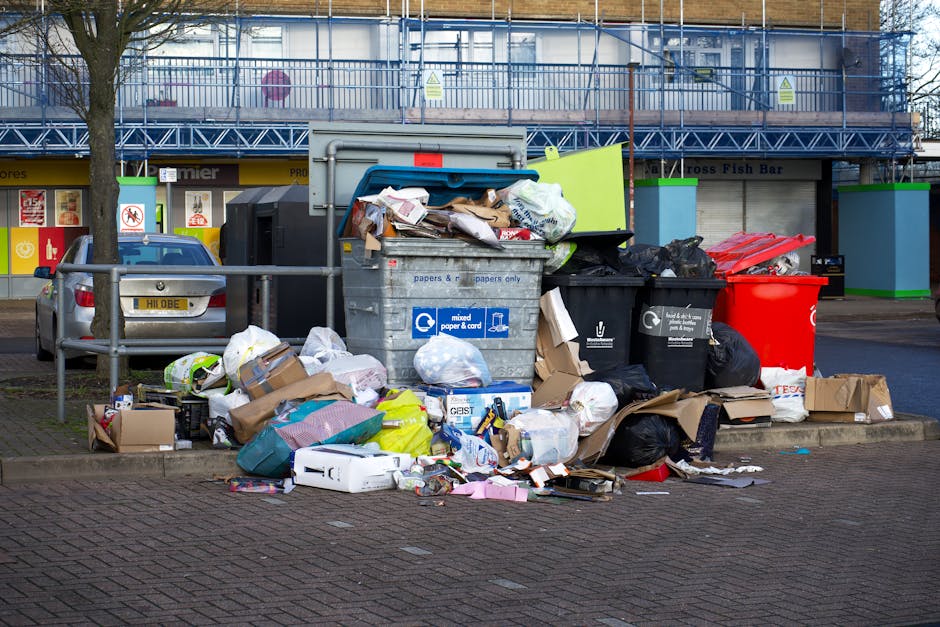
If you need insider tips for fast house clearance and rubbish removal in NW6, the real secret is not speed alone. It is preparation, clear decisions, and choosing the right way to move items out without creating extra delays. In our experience, the jobs that feel chaotic at 9 a.m. can be neatly wrapped up by lunchtime once the plan is right. And yes, that is often the difference between a stressful week and a surprisingly smooth one.
NW6 has its own rhythm. Tight stairwells, basement flats, controlled parking, shared entrances, and the occasional "where on earth does this bulky wardrobe fit?" moment all shape how a clearance goes. This guide breaks down the practical side of clearing a house quickly, removing rubbish safely, and avoiding the little mistakes that slow everything down. You will get a realistic step-by-step process, a few hard-earned tips, and a clear sense of when it makes sense to bring in professional help.
- Why it matters
- How it works
- Key benefits
- Who needs this
- Step-by-step guidance
- Expert tips
- Common mistakes
- Tools, resources and recommendations
- Law, compliance and best practice
- Options and comparison
- Real-world example
- Practical checklist
- Conclusion
- Frequently asked questions
Why Insider tips for fast house clearance and rubbish removal in NW6 Matters
A fast clearance matters for more than convenience. People usually feel the pressure because time is tied to a move, a tenancy deadline, an estate sale, a renovation start date, or simply the need to get life back under control. When a property fills up with unwanted items, the delay tends to snowball. Bags stack up. Rooms become unusable. You start moving boxes from one corner to another, which is a bit of a joke really, except nobody is laughing.
In NW6, time pressure often meets practical limitations. Flats can be on upper floors. Parking may be awkward. Lift access is not always available. So the speed of the job depends less on "working harder" and more on preparing properly and understanding the access issues before anyone arrives.
This is also where house clearance and rubbish removal overlap in a useful way. A house clearance is broader: it usually covers furniture, appliances, loose belongings, bagged waste, and the sorting that goes with it. Rubbish removal is more targeted and often suits mixed waste, bulky items, or quick one-off loads. If you want to see how a broader property clearance service is structured, a useful reference point is house clearance, while faster single-load jobs often sit more naturally under rubbish removal.
The point is simple: the better you understand the job, the faster you can clear it. That sounds obvious, but it is where most delays begin.
How Insider tips for fast house clearance and rubbish removal in NW6 Works
A quick clearance usually follows a pattern, even if it does not feel that way at the start. First comes the sorting stage. Then comes access planning. Then loading, transport, and disposal or reuse. The smoother those stages are, the quicker the day goes.
Most delays happen before the team even lifts the first item. That might be because the property still contains mixed valuables and waste, or because people have not decided what stays and what goes. A spare room full of "I'll sort it later" items can easily add an hour. Sometimes more.
Here is the basic flow:
- Identify the scope. Decide whether you need a full house clearance, a partial clearance, furniture disposal, or just rubbish collection.
- Separate the obvious categories. Keep documents, sentimental items, valuables, and anything reusable apart from general waste.
- Plan access. Check stairs, parking, lift access, narrow hallways, and entrance timings.
- Prepare what can be moved first. Bag small waste, remove loose items, and group furniture by room.
- Load in a sensible order. Heavy and awkward pieces first, lighter items around them, and fragile items protected.
- Dispose responsibly. Reuse, recycle, or remove waste in line with normal UK practice and the material type involved.
For some homes, especially flats and smaller terraces, a focused service such as flat clearance is more efficient than a full-property approach. For bigger jobs with mixed contents, home clearance may be the better fit. The practical truth? Matching the method to the property is half the speed gain.
Key Benefits and Practical Advantages
The biggest benefit of a fast, well-organised clearance is time saved. But honestly, the deeper value is control. Once clutter starts going, the whole property feels lighter. Rooms open up. Hallways become usable again. You can take a breath without seeing that leaning tower of old stuff in the corner.
There are other real-world gains too:
- Less stress: a clear plan reduces the mental load on an already busy day.
- Better use of space: cleared rooms can be cleaned, repaired, rented, sold, or repurposed faster.
- Safer movement: removing trip hazards matters when furniture and bagged waste are scattered around.
- Cleaner disposal decisions: separating furniture, electronics, and general waste helps with recycling and reuse.
- Fewer missed deadlines: useful when keys need handing over or a renovation crew is waiting outside.
There is also a financial angle, though it is best treated carefully. A faster, better-planned job can sometimes reduce labour time and vehicle time because fewer surprises appear on the day. It is not magic. It is just good prep. And good prep is underrated.
If furniture is a major part of the job, it helps to think separately about items that need handling with care or disassembly. For example, a worn sofa, a wardrobe with mirrored doors, or a heavy dining set may be better routed through furniture disposal or, where relevant, sofa removal.
Who This Is For and When It Makes Sense
This kind of clearance help is for anyone who needs a property emptied quickly without cutting corners. That includes homeowners, landlords, tenants, executors dealing with an estate, letting agents, and people moving at short notice. It also applies if you are clearing a garage, sorting a loft, or dealing with a build-up of unwanted items after a long period of not touching a room. Let's face it, we all have that one space that quietly becomes a storage story.
It makes sense when:
- you are preparing for a sale or end-of-tenancy handover
- you need rooms cleared before decorators, cleaners, or surveyors arrive
- you have bulky items that will not fit in normal council-style collection arrangements
- you want one team to handle sorting, lifting, and loading
- you need a straightforward option for mixed household waste
Sometimes the job is not the whole property. It might just be a garage packed with old paint tins, broken tools, and half a dozen mystery boxes. In that case, garage clearance can be the neatest route. If the mess is outdoors, a rubbish clearance approach may be enough.
Different properties need different thinking. A top-floor flat with no lift, for instance, is a very different job from a ground-floor family home with a rear access path. Obvious? Yes. Easy to forget in the rush? Also yes.
Step-by-Step Guidance
If speed is the goal, do not start by carrying things. Start by deciding things. That sounds backwards, but it saves time every single time.
1. Walk through the property with a clear objective
Do one slow room-by-room walk. Decide what is staying, what is going, and what needs checking before removal. Be ruthless with duplicates, broken items, and things you have been "meaning to list online" for months.
2. Pull out documents, valuables, and sentimental items first
This is not only sensible; it prevents awkward mistakes. Important paperwork, jewellery, keys, photos, and chargers should be removed before the clearance begins. One missing envelope can derail an otherwise smooth morning.
3. Separate categories before the team arrives
Keep items in clear groups: furniture, bagged waste, reusable items, electricals, and anything that needs special handling. Even a simple visual split between room corners helps.
4. Make access as easy as possible
Unlock gates. Move cars if they block access. Tell neighbours if shared hallways will be used. If parking is tight, say so early. In NW6, access is often the hidden time factor.
5. Decide what needs dismantling
Some furniture comes out intact. Some does not. Wardrobes, beds, and flat-pack units may need to be broken down to leave safely. If you know that in advance, everyone saves time. No one enjoys discovering a sofa has to be turned like a ship's wheel halfway down a narrow stairwell.
6. Load strategically
Large items usually go in first. Then smaller boxed or bagged waste fills the gaps. This makes the vehicle more efficient and prevents repeat trips. It is a simple tactic, but an effective one.
7. Finish with a final sweep
Before the team leaves, check cupboards, loft hatches, under beds, and behind doors. The final sweep is where people often find the forgotten lamp, the spare mirror, or the one item that was definitely meant to go. Usually it is the item everyone now claims was never theirs.
For projects where removal is more about general waste than contents, a dedicated waste removal service can be a cleaner fit than a full property clearance. And for regular or repeated small loads, rubbish collection can be the simpler option.
Expert Tips for Better Results
Here are the little things that make a big difference. The sort of things people only learn after a few awkward jobs and a few too many stairs.
- Label rooms, not just items. A simple note on the door or a stack by room keeps everyone moving in the same direction.
- Use smaller bags than you think you need. Overfilled bags slow down lifting and can split at the worst moment.
- Take photos before the clearance starts. It helps you remember what was where, especially in multi-room properties.
- Keep electrical items together. They often need separate handling from general waste, so grouping them helps.
- Clear pathways first. A hallway that looks fine can still become a bottleneck when bulky items start moving.
- Be honest about access. If the job is on the third floor and the lift is out, say it. No drama, just facts.
A small but useful insight: the fastest jobs are often the ones with the least decision-making on the day. Once you are standing in a room asking, "keep, sell, donate, or go?" the clock starts ticking. Do that thinking the night before if you can.
If you are clearing a business premises, storage room, or workspace rather than a home, a related route such as office clearance or business waste may be more suitable. Different premises, different logistics. Simple as that.
Common Mistakes to Avoid
Speed goes wrong when people try to improvise too much. A rushed clearance can easily become slower than a careful one because of these common mistakes:
- Leaving sorting until the arrival time. That is the biggest time-waster.
- Not checking access. A blocked driveway or locked side gate can add unnecessary delays.
- Mixing everything together. Reusable items, rubbish, and valuables all in one pile makes the job harder.
- Assuming all furniture can be carried in one piece. Sometimes it can, sometimes it really cannot.
- Underestimating how much waste there is. A garage or loft often hides more than expected.
- Forgetting fragile or hazardous items. Paint, chemicals, sharps, and certain electricals need care.
There is also a softer mistake: trying to do too much in one pass without a pause. In a fast-moving clearance, a short reset can be smarter than pushing on blindly. A quick five-minute breather can prevent a very silly lifting mistake. Not glamorous, but true.
For awkward bulky items, especially worn seating or large soft furnishings, it is worth considering whether a specialist route like sofa removal will save time and effort compared with handling it as part of a mixed load.
Tools, Resources and Recommendations
You do not need a huge toolkit for a quick house clearance, but the right basics help more than people expect. A few items make lifting safer, sorting faster, and cleanup easier.
- Heavy-duty bin bags: useful for lighter mixed waste and soft clutter
- Strong cardboard boxes: better for books, paperwork, and small room contents
- Marker pens and labels: ideal for room sorting and keep/remove decisions
- Gloves: sensible for dust, splinters, and general handling
- Dust sheets or blankets: helpful when moving furniture through tight spaces
- Tape measure: useful if items may need dismantling or checking against door widths
- Basic cleaning kit: a brush, cloths, and bin liners for the final sweep
Useful service pages on the site can also help readers work out the right route for the job. For example, waste collection may suit smaller ongoing loads, while waste disposal is a better fit when you want a broader explanation of how the material is handled. If the job is more general, waste clearance is a good umbrella concept to understand.
One more practical recommendation: keep a separate pile for items that still have value. It sounds obvious, but valuable leftovers are often swept into the clearance by accident because everyone is focused on speed.
Law, Compliance, Standards, or Best Practice
When dealing with waste in the UK, the safe approach is to follow normal legal duties and recognised best practice, especially around sorting, transport, and disposal. You do not need to become a law expert to do this properly, but you do need to avoid the careless stuff.
In plain English, that means:
- do not leave waste fly-tipped or handed to anyone who cannot handle it properly
- separate reusable items from genuine waste where possible
- handle electricals, sharp objects, paint, and chemicals with extra care
- make sure any waste contractor you use is operating responsibly
- keep records or receipts where appropriate for your own peace of mind
Best practice also means respecting neighbours, common areas, and access routes. In shared buildings around NW6, that matters more than people think. Lift doors, stairwells, and entrances are not just convenience points; they are shared space, and a bit of care goes a long way.
If you want to understand the company behind the service before booking, it is reasonable to read more on about us. And if you are reviewing terms before proceeding, the site's terms and conditions and privacy policy can help clarify how information is handled. That is just good housekeeping, really.
Options, Methods, or Comparison Table
Choosing the right type of service is often what makes the job fast. A full clearance is not always the quickest route. Sometimes a focused method is better, especially in smaller NW6 properties.
| Option | Best for | Speed | Typical strength |
|---|---|---|---|
| House clearance | Whole properties, inherited homes, full emptying jobs | Fast when well planned | Broad coverage and one coordinated visit |
| Rubbish removal | Mixed waste, bulky items, quick clear-outs | Often the quickest for smaller jobs | Simple and direct |
| Flat clearance | Apartment moves, end-of-tenancy work, shared access buildings | Very efficient when access is known | Designed for compact urban properties |
| Furniture disposal | Single bulky items, old sets, worn-out furniture | Fast for targeted removals | Good for large pieces only |
| Garage clearance | Stored clutter, tools, boxes, forgotten items | Can be very quick | Great for one contained area |
The comparison is less about "best overall" and more about "best for this exact job." That distinction matters. A lot. The wrong service choice is one of the most common reasons people feel a clearance is taking too long.
Case Study or Real-World Example
Here is a typical NW6-style scenario. A tenant is moving out of a two-bedroom flat with a storage cupboard, a sofa, a broken desk, several bags of clothes, and a handful of bits that were once useful and now mostly just annoying. The keys need to be handed back the same afternoon. The hallway is narrow, the building has shared access, and parking is tight. Classic.
The fast solution was not to start moving things immediately. First, the tenant separated the items into four groups: keep, donate, furniture, and rubbish. Then the building access was checked, the lift usage was confirmed, and the sofa was measured against the stairwell turns. That small extra step saved a lot of bother.
On the day, the team moved the sofa and desk first, then the bagged waste, then the remaining small items. The flat was left ready for final cleaning with no last-minute panic. The job did not feel rushed in a bad way. It felt organised, which is what fast should really mean.
The key lesson? Speed came from preparation, not haste. If the client had waited until the crew arrived to decide what stayed and what went, the timeline would have stretched. Maybe not by hours, but enough to be annoying.
Practical Checklist
Use this checklist before any fast clearance or rubbish removal job in NW6. It keeps the day simple.
- Decide whether you need house clearance, rubbish removal, flat clearance, or furniture disposal
- Remove valuables, documents, and sentimental items first
- Group waste by room or by type
- Check access, parking, gates, stairs, and lift availability
- Measure bulky items if space is tight
- Set aside anything fragile or potentially hazardous
- Keep reusable items separate from true rubbish
- Make sure hallways and entrances are clear
- Have bags, boxes, and labels ready
- Do a final sweep before the property is declared done
Expert summary: the fastest clearances are usually the ones that look boring on paper. Clear decisions. Clear access. Clear categories. Not flashy, but effective. And honestly, that is what most people want when they are staring at a full room and a ticking clock.
Get a free quote today and see how much you can save.
Conclusion
Fast house clearance and rubbish removal in NW6 is rarely about rushing. It is about removing friction before the work begins. Once the items are sorted, access is planned, and the right service type is chosen, the job becomes much more manageable. That is the real insider tip, if you want the short version.
Whether you are clearing a flat, a family home, a garage, or a few bulky pieces that have been taking up space for too long, the best results usually come from calm preparation and straightforward decisions. A clear plan beats panic every time. Truth be told, that applies to most things in life, not just rubbish.
If you are at the point where the clutter is becoming a burden, the next sensible step is to choose the right service path and make the space workable again. One room at a time. One load at a time. You will get there.
Frequently Asked Questions
How do I make a house clearance faster in NW6?
Sort items before the team arrives, remove valuables first, confirm access details, and group belongings by room or category. The less decision-making needed on the day, the faster the clearance usually goes.
What is the difference between house clearance and rubbish removal?
House clearance usually covers a broader emptying job, including furniture and mixed contents. Rubbish removal is more focused on waste and bulky unwanted items. The right choice depends on how much of the property is being cleared.
Is flat clearance better for London flats than house clearance?
Often, yes. Flat clearance is usually better suited to shared entrances, stairwells, and compact layouts. If the property is an apartment or maisonette, it can be the more efficient option.
What should I remove before a clearance starts?
Take out documents, passports, jewellery, keys, medication, sentimental items, and anything you definitely want to keep. Doing this early avoids accidental removal and saves time.
Can furniture be removed during the same visit?
Yes, in many cases. Sofas, wardrobes, beds, and tables are often handled alongside other waste, provided access is workable and the items can be moved safely.
Do I need to sort everything into separate piles first?
You do not need perfection, but basic sorting helps a lot. A keep pile, a go pile, and a maybe pile is often enough to make the job run smoothly.
What if my property has narrow stairs or no lift?
That is common in NW6 and it usually just means extra planning. Tell the clearance team in advance so they can prepare for the access conditions and avoid delays.
How do I know if I need a garage clearance instead?
If the mess is mainly stored in a garage, shed, or outbuilding, a garage clearance is usually the smarter and quicker option. It keeps the job focused on one area.
Are there items that need special handling?
Yes. Paint, chemicals, sharp objects, and some electrical items should be treated carefully. If you are unsure about an item, keep it separate and mention it before collection.
Will a quick clearance still be responsible?
It should be, if the job is planned properly. Fast does not need to mean careless. Good sorting, safe lifting, and sensible disposal practices can all happen quickly.
What is the best way to prepare for a same-day clearance?
Open access routes, move parked cars if needed, remove valuables, and keep the items to be collected in one obvious place. Same-day jobs go best when the site is ready before the crew arrives.
Should I choose furniture disposal or waste collection for old items?
If the main problem is bulky furniture, furniture disposal is the more precise fit. If you have mixed waste, waste collection or rubbish removal may be more suitable.
How can I avoid last-minute delays?
Check access, confirm what is going, and decide on anything uncertain before the appointment. The last-minute delay is usually caused by one forgotten room or one undecided item.
Where can I learn more about the company and policies?
You can review the site's about us page, and for policy details see the privacy policy and terms and conditions.